What a demo actually shows you — and what it hides
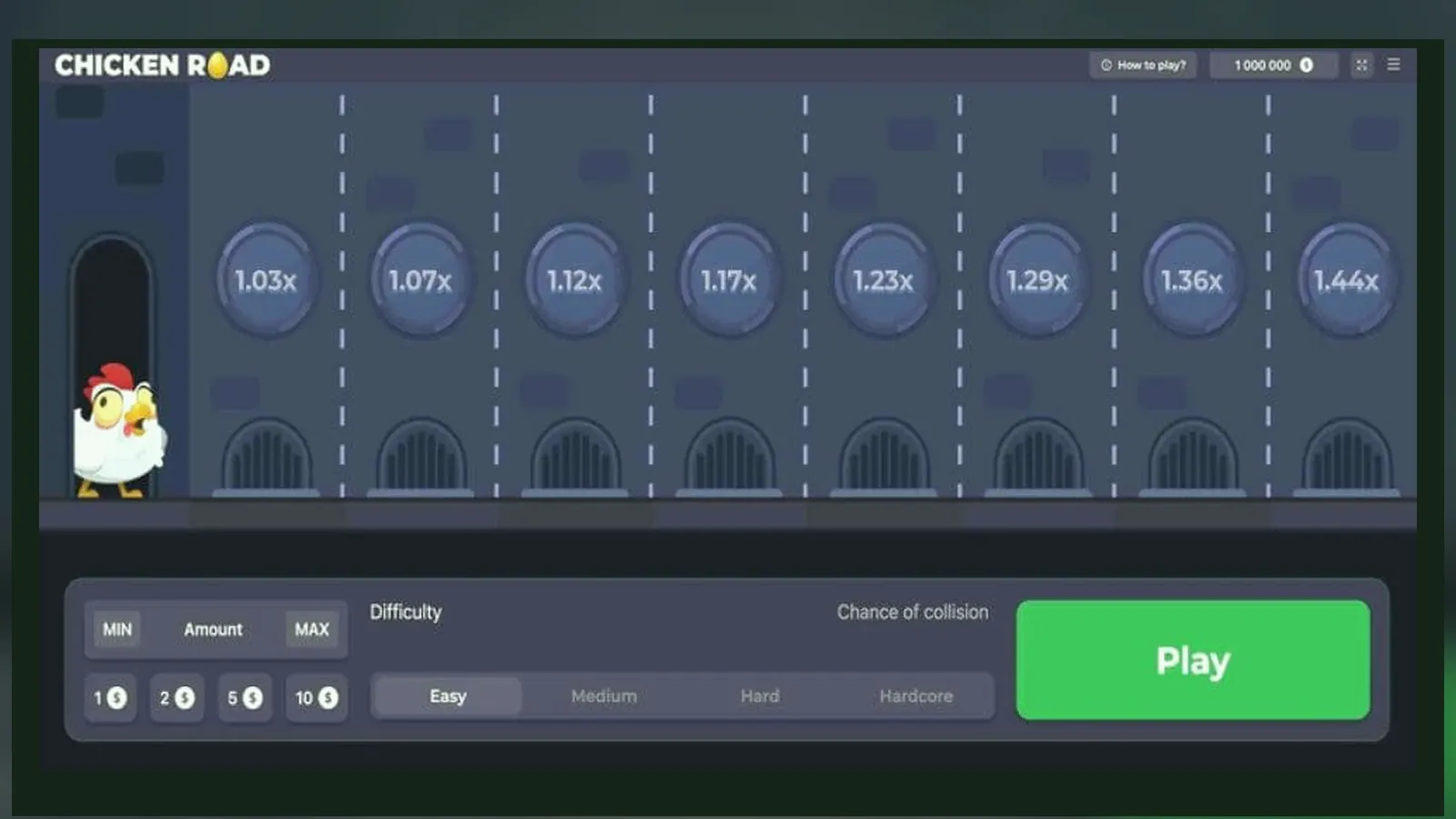
Here's what's not obvious: a Chicken Road 2 demo on a UK casino site isn't the same as the real version you'll play for money. The stake caps, the registration wall, and the bits the demo quietly skips — KYC delays, wagering rules, withdrawal friction — matter more than the RTP number in the paytable.
This page walks through what demo play actually looks like under UKGC rules, which parts carry over to real money, and the lowest-risk way to cross that line when you're ready.
Why UK demos sit behind a login wall
Most UKGC-licensed operators show the demo only after you've logged in and passed age verification. That's not the casino being difficult — it's the regulator's stance on protecting under-18s from any gambling imagery. A few sites let you spin in guest mode, but the majority require a registered, age-checked account before the demo unlocks.
Registration itself is quick: email, date of birth, a few identity checks against credit-reference databases. You won't deposit yet, but the operator needs to confirm you're 18 or older. Expect that gate on nearly every branded casino serving British players; it's baked into the licence conditions.
Once you're in, the demo runs in your browser — desktop or mobile — with play-money credits that reset when you refresh. No download, no APK hunt, no separate app. The interface is identical to the real-money version: same grid, same cashout button, same multiplier ladder. The only difference is the balance at the top.
The stake range and what it means for your real session
Chicken Road 2's demo presents the full stake range the game supports — typically £0.10 up to £5.00 per round. That £5.00 ceiling isn't the game's choice; it's the UKGC's blanket slot stake cap, introduced in April 2020 to slow the pace of loss. If you're 18–24, many operators will drop the cap to £2.00 per spin under the newer affordability rules that came into effect in 2026.
In demo mode, you can toggle between any stake in that range and watch how the multiplier ladder scales. A £0.10 round hitting 100× pays £10.00; a £5.00 round at the same multiplier pays £500. The maths is linear, and the demo lets you experiment without consequence. When you switch to real money, those same stake options remain, but the £5.00 (or £2.00) cap will enforce itself the moment you try to go higher.
- £0.10 minimum stake in both demo and real play
- £5.00 maximum for most players; £2.00 if you're under 25
- No artificial demo stakes that disappear when you deposit
What the RNG shows you in free play
The demo runs the same random-number generator as the real-money version. Every tile reveal, every multiplier jump, every crash point is determined by the same server-side RNG that a paying player sees. The theoretical RTP — usually published in the game rules — applies to both modes. You won't see inflated win rates or suspiciously gentle volatility in the demo; the streaks, the dry spells, and the sudden crashes all behave the same way.
That said, demo sessions don't carry the emotional weight of real money. A £5.00 round that crashes at 1.02× in demo costs you nothing; the same round with your own funds is harder to shrug off. The game's high volatility — long stretches between big multipliers — becomes obvious only when you've risked enough to feel it. The demo gives you the mechanics; it can't replicate the risk.
The parts the demo quietly skips
A demo session ends when you close the tab. There's no withdrawal button, no KYC upload prompt, no bonus-wagering tracker. Those friction points appear only when you play for real money, and they're substantial enough to change how the experience feels.
If you accept a welcome bonus and then play Chicken Road 2 with that money, the wagering requirement applies to every round. A £10.00 bonus with 40× wagering means you need to turn over £400 before you can withdraw anything. Crash games often contribute 100 % to wagering, but always check the terms — some operators cap the stake that counts, or exclude certain game types entirely.
The demo won't mention any of this. It's a clean, frictionless loop: bet, watch, cashout, repeat. Real money adds document uploads, payment delays, and wagering arithmetic. If you're testing the game to decide whether it's worth a deposit, factor in those steps as part of the real cost.
Demo on a phone and how it compares to desktop
Chicken Road 2 adapts to portrait and landscape on mobile browsers — no native app required. The demo session on your phone is the same as the desktop version: same stake range, same RNG, same interface. The multiplier ladder condenses into a scrollable list, and the cashout button moves to the bottom of the screen, but the mechanics don't change.
Most UK casino sites use a responsive web app rather than a separate iOS or Android build. That means you log in through Safari or Chrome, and the demo runs in the browser. A few operators offer a downloadable app from the App Store or Google Play — both stores permit real-money gambling apps from UKGC-licensed operators — but even those apps usually load the game in a web view rather than as native code.
The touchscreen cashout is slightly slower than a mouse click, especially if you're aiming for a tight multiplier exit. Test the demo on your phone if that's where you plan to play for real; the extra tenth of a second can matter when the multiplier is climbing past 10×.
How to move from demo to real money without surprises
The safest first deposit is the smallest the site allows — usually £5.00 or £10.00 — with no bonus attached. That keeps the wagering requirement out of the equation and lets you test the real-money session: stake enforcement, cashout speed, and whether the game feels different when the balance is yours.
- Verify your account fully before you deposit: upload ID and proof of address if the site hasn't already asked. That clears the KYC queue and avoids withdrawal delays later.
- Use a debit card or PayPal in your own name. Credit cards are banned for gambling in the UK, and the payment method must match your registered details.
- Set a deposit limit through the account settings. UKGC sites must offer daily, weekly, or monthly caps; the limit applies immediately and can't be raised for 24 hours once set.
- Start with the minimum stake — £0.10 or £0.20 — even if the demo let you play higher. A real-money losing streak at £5.00 per round burns through £100 in twenty spins.
- Check the operator's UKGC licence number in the footer and match it to the public register. Unlicensed sites can't legally serve UK players, and your money has no protection if something goes wrong.
If you hit a win worth withdrawing, expect the first cashout to take 24–48 hours while the operator reviews your documents. Subsequent withdrawals to the same payment method are faster — often same-day with Faster Payments or e-wallets. The initial friction is a compliance step, not a red flag, as long as the site holds a valid UKGC remote licence.
The numbers that stay the same and the ones that don't
| Element | Demo | Real money | |
|---|---|---|---|
| RTP | Unchanged | Unchanged | → |
| Max multiplier | 5 000× | 5 000× | → |
| Stake range | £0.10–£5.00 | £0.10–£5.00 (or £2.00 if under 25) | → |
| RNG behaviour | Identical | Identical | → |
| Withdrawal button | Absent | Present, with KYC and wagering checks | → |
| Bonus terms | Not shown | Wagering applies if bonus accepted | → |
The game's core maths — RTP, volatility, multiplier distribution — doesn't change between demo and real play. What changes is the context: the stake caps enforced by age, the affordability checks at £150 a month, the KYC process before the first withdrawal, and the wagering strings attached to any bonus. The demo is a mechanical preview; the real session is that same preview inside a regulated, friction-heavy framework.
What the demo can't prepare you for
High volatility in demo play is a data point; high volatility with your own money is a forty-round losing streak that empties your balance before a single multiplier above 10× appears. The demo gives you the pace and the interface, but it can't simulate the decision fatigue of chasing a loss or the urge to raise your stake after a near-miss.
The UK's affordability rules add another layer. Once your net deposits cross £150 in a calendar month, the operator will start soft checks against credit-reference data. If you continue depositing — especially into four figures — you'll face harder checks: bank statements, payslips, proof of funds. The demo doesn't hint at that threshold; it appears only when you're playing for real.
If gambling becomes a problem, register with GAMSTOP — the national self-exclusion scheme. One registration blocks every UKGC-licensed site for six months to five years. BeGambleAware offers free, confidential support. The demo is a tool for learning the game; it's not a substitute for recognising when the real-money version stops being entertainment.
FAQ
Do I need to register to play the Chicken Road 2 demo?
On most UKGC-licensed sites, yes. The operator must verify you're 18 or older before showing any gambling content, including demos. A few sites offer guest-mode demos, but the majority require a logged-in, age-checked account. Registration is free and doesn't oblige you to deposit.
Is the demo RNG the same as the real-money version?
Yes. The demo runs the same server-side random-number generator, with the same RTP and volatility profile. Every tile reveal and multiplier jump behaves identically in both modes. What the demo can't replicate is the emotional weight of risking your own money.
Can I play Chicken Road 2 demo on my phone?
Yes. The demo runs in mobile browsers — Safari, Chrome — with no separate app required. The interface adapts to portrait and landscape, and the stake range and RNG match the desktop version. The touchscreen cashout is slightly slower than a mouse click, so test the demo on your phone if that's where you plan to play for real.
What's the stake cap when I switch to real money?
£5.00 per round for most players, enforced by the UKGC slot stake cap. If you're 18–24, many operators will drop the cap to £2.00 under the newer affordability rules. The demo lets you test any stake in that range; the real-money session enforces the cap the moment you exceed it.
How long does the first withdrawal take?
24–48 hours, sometimes longer if the KYC team is busy. The operator reviews your documents — ID, proof of address — before approving the first cashout. Subsequent withdrawals to the same payment method are faster, often same-day with Faster Payments or e-wallets. Upload your documents before you deposit to avoid delays.
Does a welcome bonus change how the demo works?
No, but it changes how the real-money version works. If you accept a bonus, the wagering requirement applies to every round you play with that money — typically 30×–50× rollover before you can withdraw. The demo doesn't mention bonus terms; they appear only when you deposit and opt in.